
Store the products indoors. Do not place them directly on the ground to avoid surface damage. Lay an isolation layer on the ground to protect the products from freezing and moistur
When the weather turns bitterly cold and snow blankets the ground, wire and cable products that previously performed well tend to suffer from stiff conductors, peeling and damaged insulation sheaths. Could this be a defect in product quality? All of them passed inspection before leaving the factory after all. So what exactly causes this issue?
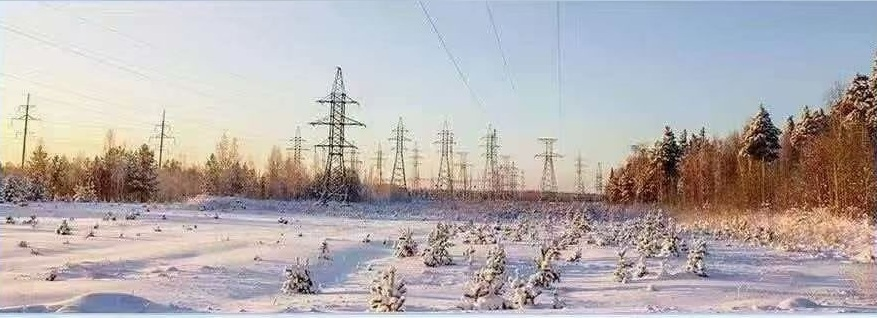
The root cause lies in the severe cold of winter. Temperatures drop below zero in many regions during winter. The outer sheath of most wires and cables is made of ordinary plastic (PVC) or rubber, which will harden under low temperatures. Even minor external force may lead to cracking or peeling damage of the sheath, so this is a normal physical phenomenon.
So how can we prevent such problems? Corresponding solutions can be adopted in the following four stages.
- Factory Delivery & Transportation Necessary protective measures shall be taken during loading to avoid cable damage in transit. In addition, waterproof tarpaulins can be used for extra protection to keep cables from direct exposure to frigid conditions.
- Arrival at Construction Site Handle cables with care during unloading; rough handling shall be avoided to prevent cable damage.
- Storage Prior to Use Store cables indoors. Do not lay them directly on the ground to prevent surface abrasion. Lay an isolating layer on the ground to protect cables against freezing and dampness.
- Installation & Construction If conditions permit, pre-store cables in a warm indoor area to warm them up. Construction work should preferably be carried out during the warmer hours of midday to afternoon to maintain the cables in good condition. For underground burial: Lay protective layers such as cloth or foam in advance. For conduit routing: Ensure the inner and outer walls of pipes are smooth beforehand to prevent cable scratching.